-
News
Universal
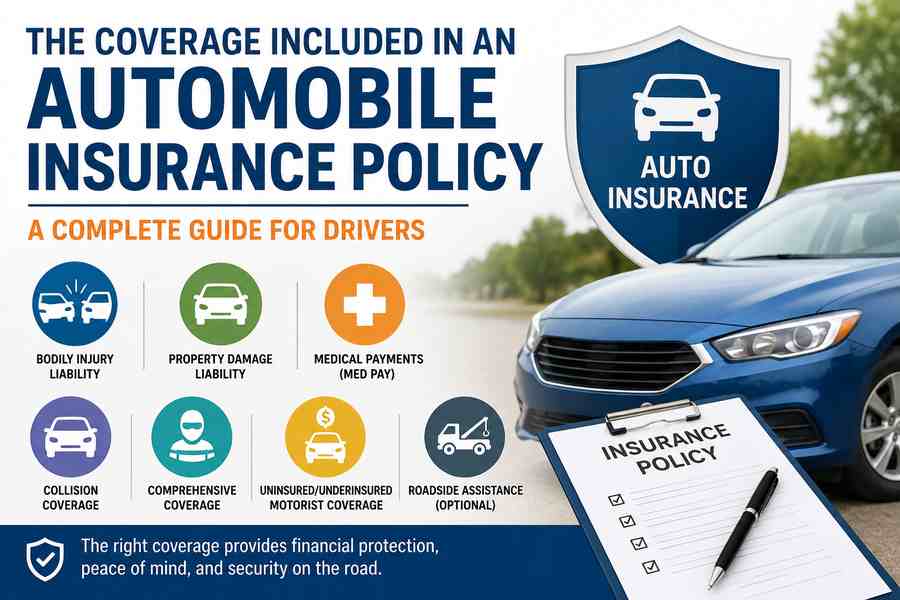
The Coverage Included in an Automobile Insurance Policy Weegy A Complete Guide for Drivers
- Admin
Understanding auto insurance coverage is essential whether you are buying your first policy, comparing quotes, or reviewing your existing plan. In this comprehensive, SEO-optimized guide, we will explain all major coverage types, optional protections, exclusions, state requirements, and tips to choose the right policy.
What Is an Automobile Insurance Policy?
An automobile insurance policy is a legal contract between you and an insurance company. In exchange for a premium (monthly or annual payment), the insurer agrees to cover specific financial losses related to your vehicle.
Auto insurance typically covers:
-
Vehicle damage
-
Liability for injuries or property damage
-
Medical expenses
-
Theft and vandalism
-
Certain natural disasters
However, coverage depends on the type of policy and add-ons you choose.
Main Coverage Included in an Automobile Insurance Policy
Auto insurance policies generally include several core coverage types. These are often divided into mandatory and optional coverages depending on your state.
1. Liability Coverage
Liability coverage is required in most U.S. states. It protects you financially if you are responsible for causing an accident.
What Liability Insurance Covers
A. Bodily Injury Liability
This covers:
-
Medical expenses for the other driver and passengers
-
Lost wages
-
Legal fees if you are sued
-
Pain and suffering compensation
Example: If you cause an accident that injures another driver, your bodily injury liability coverage pays their hospital bills.
B. Property Damage Liability
This covers:
-
Damage to another vehicle
-
Damage to buildings, fences, poles, or other property
If you crash into someone’s car or storefront, this coverage pays for repairs.
Why Liability Coverage Is Important
Without liability insurance, you would have to pay these costs out of pocket. A serious accident could result in thousands—or even millions—of dollars in damages.
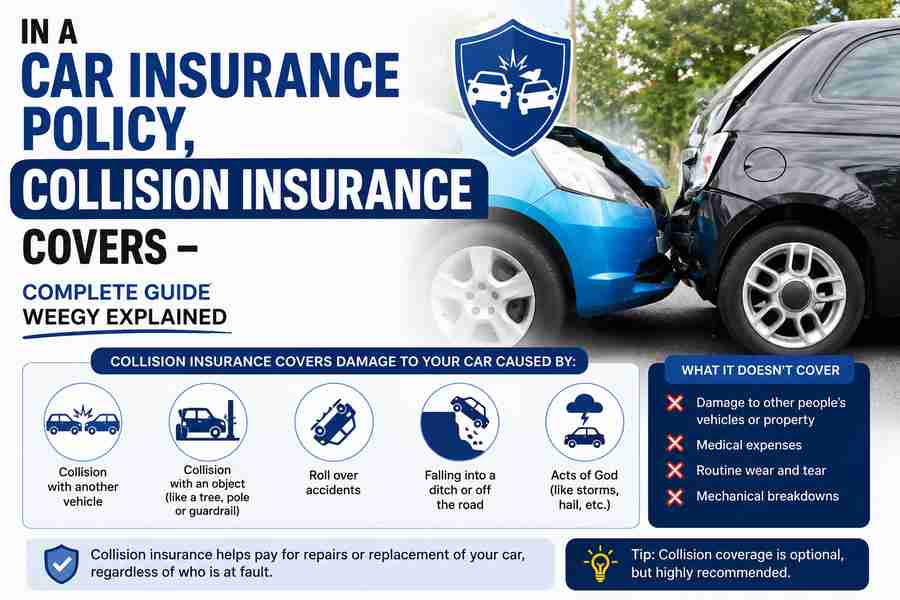
2. Collision Coverage
Collision coverage pays for damage to your own vehicle after:
-
A car accident
-
Hitting a tree or pole
-
Rolling your vehicle
-
Colliding with another object
How Collision Coverage Works
-
You file a claim with your insurer.
-
You pay your deductible (for example, $500).
-
The insurance company pays the remaining repair cost.
Collision coverage is especially important if your car is new or financed.
3. Comprehensive Coverage
Comprehensive insurance covers damage not caused by a collision. It protects against “acts of nature” and other non-accident events.
What Comprehensive Coverage Includes
-
Theft
-
Vandalism
-
Fire
-
Flood
-
Hail damage
-
Falling objects (like tree branches)
-
Animal collision
If your car is stolen or damaged in a storm, comprehensive coverage helps pay for repairs or replacement.
4. Personal Injury Protection (PIP)
Personal Injury Protection (PIP) is required in some “no-fault” states. It covers medical expenses regardless of who caused the accident.
What PIP Covers
-
Medical bills
-
Rehabilitation
-
Lost wages
-
Funeral expenses
-
Essential services (like childcare)
PIP ensures you receive compensation quickly without waiting for fault determination.
5. Medical Payments Coverage (MedPay)
MedPay is similar to PIP but usually more limited.
It covers:
-
Medical expenses for you
-
Medical expenses for passengers
-
Ambulance fees
-
Hospital visits
Unlike PIP, MedPay typically does not cover lost wages.
6. Uninsured and Underinsured Motorist Coverage
Not all drivers carry enough insurance. This coverage protects you if:
-
The other driver has no insurance
-
The other driver does not have enough coverage
-
You are the victim of a hit-and-run
Types of Protection
-
Uninsured Motorist Bodily Injury
-
Uninsured Motorist Property Damage
-
Underinsured Motorist Coverage
This coverage can save you from paying medical bills caused by irresponsible drivers.
Optional Coverage Add-Ons
In addition to standard coverage, insurance companies offer optional protections.
1. Roadside Assistance
Covers:
-
Towing
-
Battery jump-start
-
Flat tire change
-
Lockout service
-
Fuel delivery
Ideal for drivers who travel frequently.
2. Rental Reimbursement Coverage
If your car is in the repair shop after an accident, this coverage pays for a rental vehicle.
3. Gap Insurance
Gap insurance is important for financed or leased vehicles.
If your car is totaled, insurance pays the current market value. But if you owe more on your loan, gap insurance covers the difference.
Example:
-
Car value: $15,000
-
Loan balance: $18,000
-
Gap insurance covers the $3,000 difference
4. New Car Replacement Coverage
Some insurers offer new car replacement if your vehicle is totaled within a certain period.
Instead of paying depreciated value, the insurer pays for a brand-new vehicle of the same model.
What Is NOT Covered by Automobile Insurance?
Even comprehensive policies have exclusions.
Common Exclusions
-
Normal wear and tear
-
Mechanical breakdown
-
Using your car for commercial purposes (unless covered)
-
Driving under the influence
-
Intentional damage
-
Racing or illegal activities
Understanding exclusions is just as important as knowing what is covered.
Minimum Coverage Requirements by State
Every state sets its own minimum liability requirements. These are often shown in three numbers (e.g., 25/50/25):
-
$25,000 bodily injury per person
-
$50,000 bodily injury per accident
-
$25,000 property damage
However, minimum coverage may not be enough for serious accidents.
How Deductibles Affect Coverage
A deductible is the amount you pay before insurance covers the rest.
Higher Deductible:
-
Lower monthly premium
-
Higher out-of-pocket cost during claims
Lower Deductible:
-
Higher premium
-
Lower out-of-pocket cost
Choose a deductible you can comfortably afford.
Factors That Affect Your Auto Insurance Coverage Cost
Insurance companies calculate premiums based on:
-
Driving record
-
Age
-
Location
-
Type of vehicle
-
Credit score (in many states)
-
Annual mileage
-
Coverage limits
Safer drivers generally pay lower premiums.
Full Coverage vs. Liability-Only Insurance
Liability-Only Insurance
Covers:
-
Damage to others
-
Required by law
Does NOT cover:
-
Damage to your own car
Full Coverage Insurance
Typically includes:
-
Liability
-
Collision
-
Comprehensive
Best for:
-
New cars
-
Financed vehicles
-
Drivers who want maximum protection
Why Understanding Automobile Insurance Coverage Matters
Many drivers buy insurance just to meet legal requirements. However, inadequate coverage can lead to serious financial hardship.
For example:
-
Medical bills can exceed $100,000
-
Vehicle repairs can cost thousands
-
Lawsuits can result in long-term debt
Choosing the right coverage protects your savings and assets.
Tips for Choosing the Right Automobile Insurance Policy
1. Evaluate Your Needs
Consider:
-
Car value
-
Loan status
-
Driving frequency
-
Risk tolerance
2. Compare Quotes
Shop around and compare:
-
Premiums
-
Deductibles
-
Coverage limits
-
Customer service ratings
3. Bundle Policies
Many insurers offer discounts if you combine:
-
Auto insurance
-
Home insurance
-
Renters insurance
4. Maintain a Clean Driving Record
Avoiding accidents and traffic violations keeps premiums low.
Frequently Asked Questions (FAQs)
What is the most important coverage in auto insurance?
Liability coverage is legally required and financially critical. However, collision and comprehensive are equally important for vehicle protection.
Is full coverage required by law?
No. Only liability coverage is required in most states. However, lenders require full coverage for financed vehicles.
Does auto insurance cover stolen vehicles?
Yes, if you have comprehensive coverage.
What happens if I drive without insurance?
You may face:
-
Fines
-
License suspension
-
Vehicle impoundment
-
Legal penalties
Conclusion: Understanding the Coverage Included in an Automobile Insurance Policy
When searching for “the coverage included in an automobile insurance policy Weegy”, the core answer includes:
-
Liability coverage
-
Collision coverage
-
Comprehensive coverage
-
Personal Injury Protection (PIP)
-
Medical Payments (MedPay)
-
Uninsured/Underinsured motorist coverage
In addition, optional protections like roadside assistance, rental reimbursement, and gap insurance provide extra security.
Automobile insurance is more than just a legal requirement—it is a financial safety net that protects you from unexpected losses. By understanding each coverage type, reviewing deductibles, and comparing policies carefully, you can choose the best protection for your needs.
Whether you are a new driver or reviewing your existing policy, knowing what your auto insurance covers gives you peace of mind every time you get behind the wheel.

- Small Business Finance: Manage Money & Grow Your Business
-
 Health - 02:52:34pm 30-09-2026

- Business Finance Strategies Every Entrepreneur Should Know
-
Health - 02:44:54pm 30-09-2026
-
 Universal
Should I Hire a Lawyer for a Minor Car Accident A Complete Guide to Protecting Your Rights
Universal
Should I Hire a Lawyer for a Minor Car Accident A Complete Guide to Protecting Your Rights
-
 Universal
History of Tangail Zilla in Bangladesh: Ancient Past, British Era, Zamindar Heritage, and Modern Development
Universal
History of Tangail Zilla in Bangladesh: Ancient Past, British Era, Zamindar Heritage, and Modern Development
-
 Universal
The Coverage Included in an Automobile Insurance Policy Weegy A Complete Guide for Drivers
Universal
The Coverage Included in an Automobile Insurance Policy Weegy A Complete Guide for Drivers
-
Business finance
Small Business Finance: Manage Money & Grow Your Business
-
 Technology
Top Technology Trends to Watch in 2026
Technology
Top Technology Trends to Watch in 2026